Flexible COB LED Strips: How Bendable Are They Really?
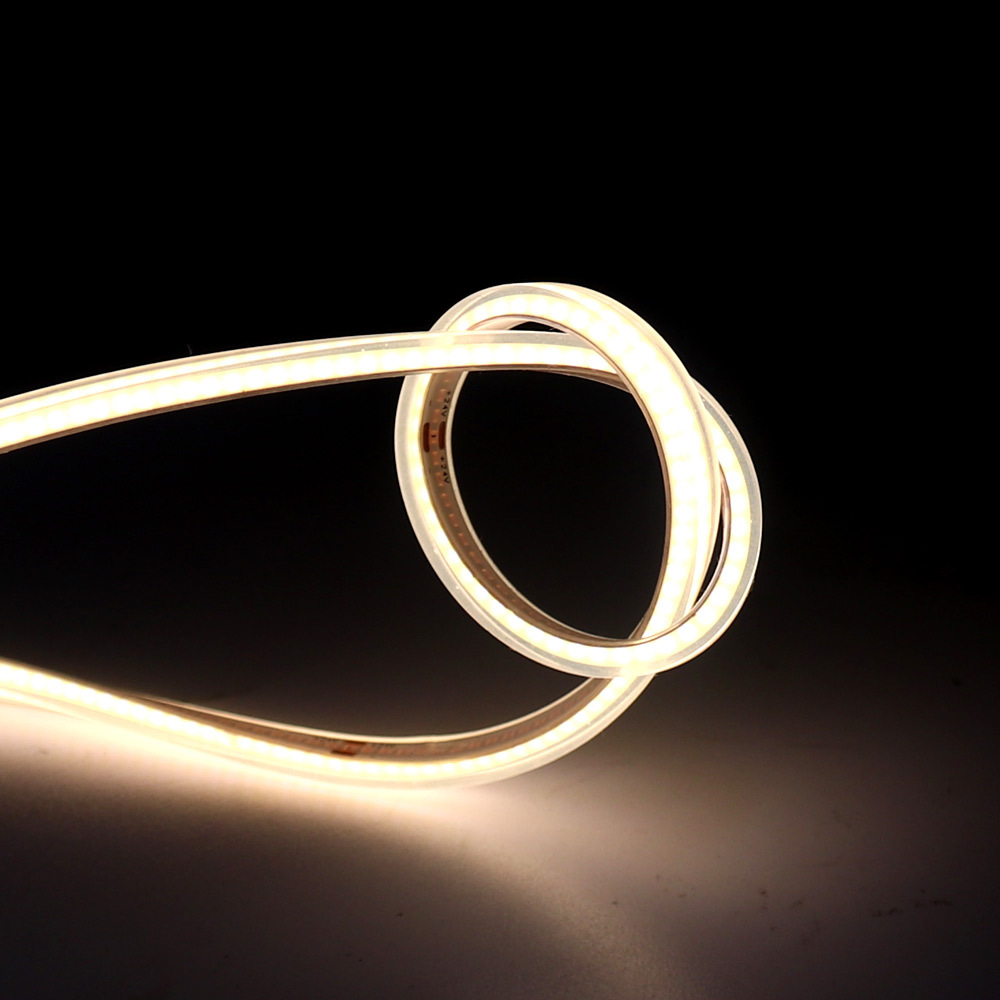
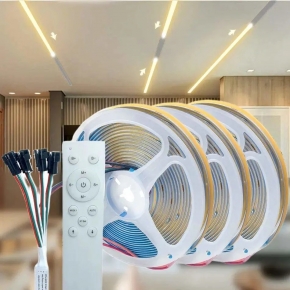
COB LED strip lights have become a popular choice for modern lighting designs because of their smooth illumination, compact structure, and flexible installation possibilities. From curved furniture edges and decorative walls to automotive interiors and architectural lighting, COB LED strips can be adapted to many creative applications.
One of the biggest advantages often mentioned about COB LED strips is their flexibility. But many buyers still wonder:
How bendable are COB LED strips really?
The answer is: COB LED strips are highly flexible, but their bending ability depends on the strip design, bending direction, installation method, and product quality.
Understanding how flexible COB LED strips work can help you choose the right product and avoid damage during installation.
Why Are COB LED Strips More Flexible Than Traditional Lighting?
Unlike rigid LED panels or conventional lighting fixtures, LED strips are built on a flexible printed circuit board (FPCB). This allows them to follow curved surfaces and fit into areas where traditional lights cannot be installed.
COB LED strips use Chip on Board technology, where multiple LED chips are directly mounted onto the flexible PCB. This creates a continuous lighting surface while maintaining the slim and lightweight structure of an LED strip.
The combination of:
· Flexible PCB material
· Compact LED chip arrangement
· Lightweight design
· Low-voltage operation
allows COB LED strips to be installed in a wide range of shapes and spaces.
How Much Can a COB LED Strip Bend?
The bending capability of a COB LED strip depends on the manufacturer's design specifications.
Most standard flexible COB LED strips can bend around curves with a relatively small radius, making them suitable for:
· Rounded furniture edges
· Curved ceilings
· Decorative columns
· Circular mirrors
· Display structures
However, flexibility does not mean the strip can be folded, twisted, or sharply bent without limitations.
Excessive bending may damage:
· Copper circuits inside the PCB
· LED chip connections
· Solder joints
· Protective coatings
A high-quality COB LED strip is designed to handle normal installation curves, but it still requires proper handling.
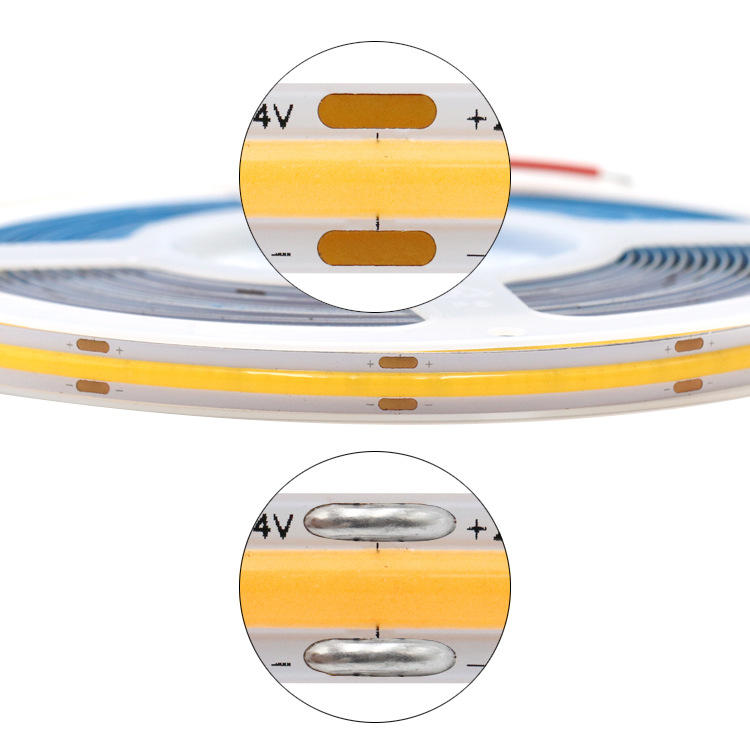
Horizontal vs Vertical Bending: What Is the Difference?
One important detail many installers overlook is that LED strips have different bending directions.
Horizontal Bending
Horizontal bending means curving the strip along its length, creating an arc shape.
This is the most common bending method and is usually supported by flexible COB LED strips.
Examples:
· Around mirrors
· Along curved cabinets
· Behind circular decorations
Vertical Bending
Vertical bending means bending the strip upward or downward from the PCB surface.
This type of bending puts more stress on the circuit board and is usually more limited.
Examples:
· Going around sharp corners
· Creating 3D shapes
· Following uneven surfaces
For complex installations, choosing a specially designed side-bending or ultra-flexible COB LED strip may be a better option.
Can COB LED Strips Be Installed Around Corners?
Yes, but the installation method matters.
For simple 90-degree corners, avoid forcing the LED strip into a sharp fold.
Better solutions include:
Creating a Gentle Curve
Instead of making a sharp angle, allow the strip to form a smooth bend.
Using Corner Connectors
For projects requiring precise angles, connectors can help maintain electrical reliability.
Cutting and Reconnecting
For complex designs, cutting the strip at marked points and reconnecting sections can create cleaner results.
Professional installers often plan the layout before installation to minimize unnecessary bending stress.
Applications Where Flexible COB LED Strips Work Best
The flexibility of COB LED strips makes them suitable for many creative lighting projects.
Curved Ceiling Lighting
Modern interior designs often use indirect lighting around curved ceilings or architectural features.
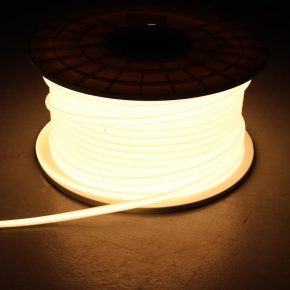
The smooth light output of COB LED strips helps create a seamless glow without visible LED dots.
Kitchen and Cabinet Lighting
Cabinet edges are not always perfectly straight. Flexible COB LED strips can easily follow corners and narrow spaces.
Benefits include:
· Clean appearance
· Easy installation
· Even countertop lighting
Mirror and Bathroom Lighting
Round and oval mirrors often require curved lighting solutions.
COB LED strips can follow the shape of the mirror while providing a soft, continuous light effect.
Furniture and Display Lighting
Furniture designers use flexible LED strips for:
· Shelving
· Wardrobes
· Decorative panels
· Custom furniture
The slim profile allows lighting to be integrated almost invisibly.
Automotive and Creative Projects
Flexible COB LED strips are also used in:
· Vehicle interiors
· Exhibition displays
· Custom decoration
· Product showcases
Their compact size makes them suitable for areas with limited installation space.
Does More Flexibility Mean Lower Quality?
Not necessarily.
Some people assume that a thinner or more flexible LED strip must be less durable. In reality, flexibility depends on engineering and material selection.
A well-designed COB LED strip can provide both:
· Excellent flexibility
· Reliable electrical performance
· Long operating life
Important factors include:
· PCB thickness
· Copper layer quality
· LED chip bonding technology
· Protective coating
· Manufacturing precision
Professional LED manufacturers focus on balancing flexibility with durability rather than simply making the strip as thin as possible.
Companies such as LEDWAY develop COB LED strip solutions for different applications, offering options suitable for decorative, residential, and commercial lighting projects.
How to Install Flexible COB LED Strips Safely
To maximize flexibility while protecting the LED strip, follow these tips:
Measure Before Cutting
Plan the installation path before cutting the strip.
Incorrect cutting or unnecessary connections can create installation problems.
Avoid Sharp Bends
Do not fold the strip at a 90-degree angle unless the product is specifically designed for it.
Sharp bending can damage internal circuits.
Do Not Twist the Strip
Twisting creates uneven stress across the PCB and may cause failures over time.
Use Aluminum Profiles When Possible
Although COB LED strips are flexible, aluminum profiles provide additional benefits:
· Better heat dissipation
· Cleaner appearance
· Mechanical protection
· More professional installation
Follow the Minimum Bend Radius
Always check the manufacturer's recommended bending radius.
Different COB LED strips may have different flexibility levels depending on their design and power rating.
Flexible COB LED Strips vs Traditional LED Strips
Compared with traditional SMD LED strips, COB LED strips offer several advantages:
Feature | COB LED Strip | Traditional LED Strip |
Light appearance | Continuous and smooth | Individual LED points may be visible |
Flexibility | Excellent | Good |
Curved installation | Easier for many designs | Depends on LED spacing |
Decorative applications | Very suitable | Common |
Visual quality | Premium appearance | Standard appearance |
The biggest difference is not only flexibility but also the quality of the final lighting effect.
How to Choose a Flexible COB LED Strip
When selecting a COB LED strip for curved installations, consider:
Strip Width
Narrower strips are often easier to install in tight spaces.
Power Level
Higher-power strips may require better heat management and may have slightly different flexibility characteristics.
Waterproof Protection
Silicone-coated waterproof versions may be less flexible than non-coated indoor models.
Cutting Intervals
Shorter cutting intervals provide more design flexibility.
Manufacturer Quality
Reliable production standards ensure the strip remains flexible without sacrificing durability.
So, how bendable are COB LED strips really?
COB LED strips are among the most flexible lighting solutions available today. They can easily follow curves, fit into narrow spaces, and create creative lighting designs that traditional fixtures cannot achieve.
However, flexibility has limits. Proper bending techniques, correct installation, and choosing the right product are essential for maintaining performance and reliability.
For professional COB LED strip solutions, flexible LED lighting designs, or customized lighting projects, contact LEDWAY:
Email: sales2@ledwaylighting.com
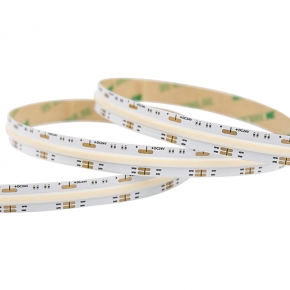
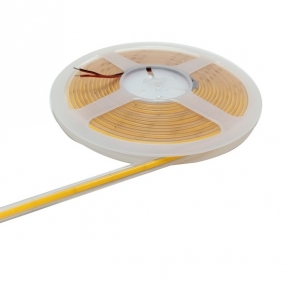
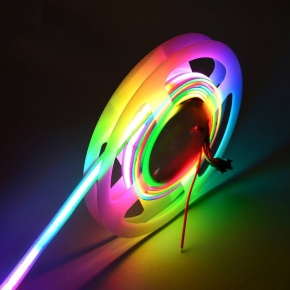
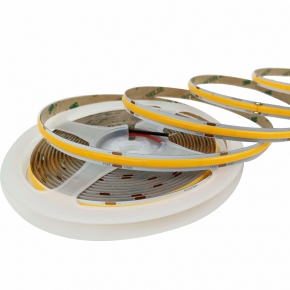

High Quality Assurance Professional choice factory supply.

Excellent public repution reassured purchasing

Professional design Personalized lighting product idea design

Fast sample making | fast proofingSamples can be made within 48 hours
About
SHENZHEN LEDWAY LIGHTING CO.,Ltd is a manufacturer which integrating R&D, manufacture and sales. Current factory area is 1800 ㎡, 5 high spend SMT machines, 2 reflow soldering machines, 5 production lines, 80 skilled workers as well as the professional R&D team, sales and service team...
In the past 10 years, LEDway focuses on led strip, such as DC&HV strip, COB&SMD strip, neon led strip, have rich-experience in led strip area. In recent year, with strong R&D ability, we also have developed led cabinet light, sensor night light, atmosphere light. Hot selling in Americas and European market. Most of our products have passed CE ROHS, ETL, GS, KC..
Contacts
-
- Address
- The 5rd floor, factory building, Jianghai industrial Park, Yonghe road No. 7, Shiyan street, Baoan district, Shenzhen, China.
-
- jelly@ledwaylighting.com
-
- We are open
- Mon-Fri: 08:00 - 18:00