Are COB LED Strip Lights Dimmable? How to Choose the Right Dimmer
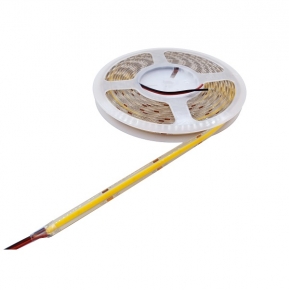
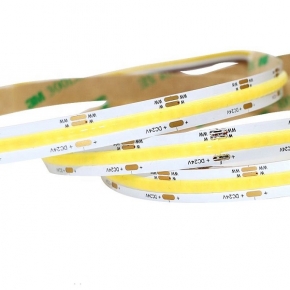
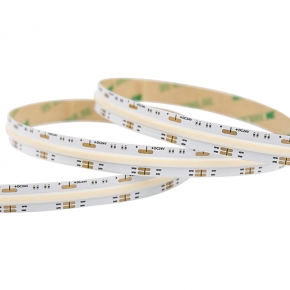
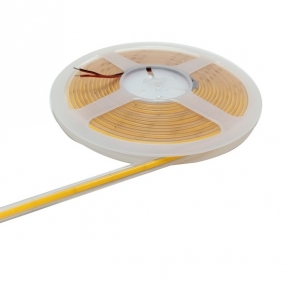
COB LED strip lights have quickly become a popular choice for modern lighting designs because of their smooth illumination, high efficiency, and flexible installation options. From residential interiors to commercial spaces, COB LED strips are widely used for ceiling accents, cabinet lighting, display shelves, and decorative applications.
However, many homeowners and designers have an important question before installation:
Are COB LED strip lights dimmable?
The answer is yes, most COB LED strip lights can be dimmed, but the dimming performance depends on the LED strip type, power supply, and the compatibility of the dimmer being used.
Choosing the right dimming system is essential to achieve smooth brightness adjustment without flickering, noise, or reduced LED lifespan.
This guide explains how COB LED strip dimming works and how to select the right dimmer for your project.
Can COB LED Strip Lights Be Dimmed?
Yes, COB LED strip lights can usually be dimmed when paired with a compatible dimming system.
Unlike traditional lighting fixtures, LED strips require a proper control method because they operate using low-voltage DC power. The dimmer is placed between the power supply and the LED strip to regulate the amount of electrical current reaching the LEDs.
By adjusting the power output, users can control the brightness level according to different needs.
For example:
· Bright lighting for cooking or working
· Soft lighting for relaxing evenings
· Lower brightness for nighttime use
· Decorative lighting for special occasions
This flexibility is one of the reasons COB LED strips are widely used in smart homes and modern interior designs.
How Does COB LED Strip Dimming Work?
Most dimmable COB LED strips use a method called PWM (Pulse Width Modulation) dimming.
PWM works by rapidly switching the LED current on and off at a high frequency. The human eye does not notice the switching, but the average power delivered to the LEDs changes, creating different brightness levels.
Advantages of PWM dimming include:
· Smooth brightness adjustment
· Better color consistency
· High efficiency
· Low heat generation compared with some alternatives
A quality dimming system allows COB LED strips to maintain stable light output from maximum brightness down to very low levels.
Do All COB LED Strips Support Dimming?
While many COB LED strips are dimmable, not every model automatically works with every dimmer.
Before purchasing, check:
· LED strip voltage (12V or 24V)
· Strip wattage
· Dimming method compatibility
· Power supply type
Most standard single-color COB LED strips support dimming, but special versions such as RGB, RGBW, and tunable white COB strips may require specific controllers.
Choosing a matching system prevents performance problems and ensures reliable operation.
Why Would You Want to Dim COB LED Strip Lights?
Dimming is not only about changing brightness. It also improves comfort, energy efficiency, and design flexibility.
Create Different Atmospheres
Lighting requirements change throughout the day.
A bright kitchen may need strong illumination in the morning, while a living room may benefit from softer lighting in the evening.
With dimmable COB LED strips, one lighting installation can serve multiple purposes.
Improve Energy Efficiency
Lower brightness settings reduce power consumption.
For example, decorative lighting does not always need to operate at full output. Adjusting brightness can help save energy while maintaining the desired atmosphere.
Extend LED Lifespan
Operating LEDs at lower power levels can reduce heat generation, which may help improve long-term reliability.
Proper dimming combined with good heat management can contribute to more stable LED performance.
Types of Dimmers for COB LED Strip Lights
Choosing the correct dimmer is one of the most important steps in a successful installation.
Different dimmers are designed for different applications.
PWM LED Dimmer
PWM dimmers are the most common choice for low-voltage COB LED strips.
They work by controlling the current supplied to the LED strip and are widely compatible with 12V and 24V systems.
Advantages:
· Smooth dimming performance
· High efficiency
· Affordable price
· Easy installation
PWM dimmers are suitable for most residential and commercial COB LED strip applications.
Wall-Mounted LED Dimmers
Wall dimmers provide a similar experience to traditional lighting switches.
They are ideal for permanent installations such as:
· Living rooms
· Bedrooms
· Kitchens
· Hotels
· Offices
Some models support touch control, remote control, or smart home integration.
Remote Control and Smart Dimmers
For modern homes, wireless dimming systems provide additional convenience.
Smart dimmers may allow users to:
· Adjust brightness from a phone
· Create lighting schedules
· Connect with smart assistants
· Control multiple lighting zones
These systems are becoming increasingly popular in smart home projects.
How to Choose the Right Dimmer for COB LED Strip Lights
Selecting a dimmer requires checking several important specifications.
1. Match the Voltage
The dimmer voltage must match the LED strip voltage.
Common options:
· 12V COB LED strips → Use a 12V compatible dimmer
· 24V COB LED strips → Use a 24V compatible dimmer
Using an incorrect voltage may cause unstable operation or damage components.
2. Check the Power Rating
The dimmer should handle the total wattage of your LED strip.
A simple calculation:
LED strip length × watts per meter = total power requirement
It is recommended to choose a dimmer with extra capacity rather than operating at maximum load.
For example, if your LED strip requires 60W, selecting a dimmer rated above 60W provides a safer operating margin.
3. Confirm Dimming Compatibility
Not all dimming technologies work together.
Before installation, confirm:
· LED strip type
· Power supply type
· Dimmer technology
A compatible system will provide smoother adjustment and avoid issues such as flickering or buzzing.
4. Consider Your Control Method
Think about how you want to control the lighting.
Options include:
· Manual switch control
· Remote control
· Touch panels
· Smartphone apps
· Smart home systems
The best choice depends on your lifestyle and installation requirements.
Common COB LED Strip Dimming Problems and Solutions
Even dimmable LED strips can experience problems if the system is not properly matched.
Flickering During Dimming
Possible causes:
· Low-quality dimmer
· Incompatible power supply
· Overloaded controller
Solution:
Use a high-quality dimmer and ensure all components are compatible.
Limited Brightness Adjustment Range
Some dimmers cannot smoothly adjust from 100% brightness to very low levels.
Solution:
Choose a dimmer specifically designed for LED applications with a wider dimming range.
Color Changes When Dimming
Poor-quality LED strips may experience slight color changes at low brightness.
Solution:
Select COB LED strips with stable LED chips and consistent color performance.
Professional manufacturers focus on LED quality, circuit design, and compatibility testing to avoid these issues. LEDWAY, for example, provides COB LED strip solutions designed for different lighting applications, including projects that require reliable dimming performance and customized control options.
Tips for Installing Dimmable COB LED Strip Lights
To achieve the best results:
Use a Quality Power Supply
A stable power source is essential for smooth dimming.
Keep Proper Heat Dissipation
Even dimmed LED strips need proper thermal management, especially for high-output models.
Avoid Excessive Strip Lengths
Long LED runs may experience voltage drop, causing uneven brightness.
Test Before Final Installation
Always test the dimming range before permanently mounting the LED strip.
So, are COB LED strip lights dimmable? Yes, most COB LED strips support dimming when paired with the correct dimmer and power supply.
The right dimming system allows you to control brightness, improve comfort, reduce energy consumption, and create more flexible lighting designs.
Whether you are upgrading a home interior, designing a commercial space, or creating a smart lighting system, choosing a high-quality COB LED strip with a compatible dimmer will help achieve the best performance.
For professional COB LED strip solutions, customized lighting projects, or dimmable LED strip inquiries, contact LEDWAY:
Email: sales2@ledwaylighting.com
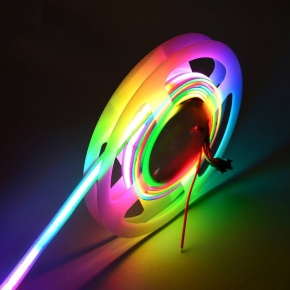
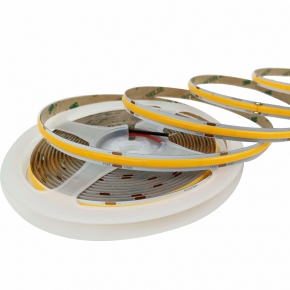
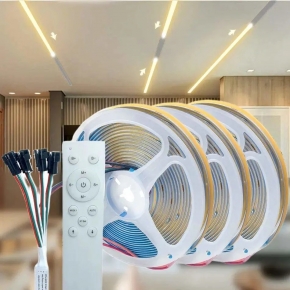
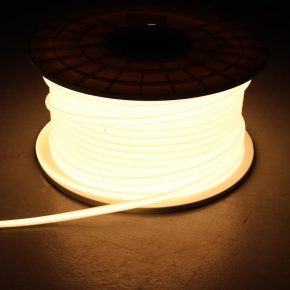

High Quality Assurance Professional choice factory supply.

Excellent public repution reassured purchasing

Professional design Personalized lighting product idea design

Fast sample making | fast proofingSamples can be made within 48 hours
About
SHENZHEN LEDWAY LIGHTING CO.,Ltd is a manufacturer which integrating R&D, manufacture and sales. Current factory area is 1800 ㎡, 5 high spend SMT machines, 2 reflow soldering machines, 5 production lines, 80 skilled workers as well as the professional R&D team, sales and service team...
In the past 10 years, LEDway focuses on led strip, such as DC&HV strip, COB&SMD strip, neon led strip, have rich-experience in led strip area. In recent year, with strong R&D ability, we also have developed led cabinet light, sensor night light, atmosphere light. Hot selling in Americas and European market. Most of our products have passed CE ROHS, ETL, GS, KC..
Contacts
-
- Address
- The 5rd floor, factory building, Jianghai industrial Park, Yonghe road No. 7, Shiyan street, Baoan district, Shenzhen, China.
-
- jelly@ledwaylighting.com
-
- We are open
- Mon-Fri: 08:00 - 18:00