Do COB LED Strips Get Hot? Heat Dissipation & Safety Guide
LED strip lights have become a popular choice for modern homes, commercial spaces, and architectural lighting projects. Their flexibility, low energy consumption, and decorative appeal make them suitable for everything from kitchen cabinets and ceilings to display shelves and entertainment areas.
However, one common question many buyers have before installation is: Do COB LED strips get hot?
The short answer is yes — COB LED strips can produce heat, just like any electronic lighting product. However, when properly designed, installed, and used with suitable components, the heat level is usually manageable and does not affect safety or performance.
Understanding how COB LED strips generate heat, how heat dissipation works, and how to install them correctly can help you achieve better lighting performance and a longer product lifespan.
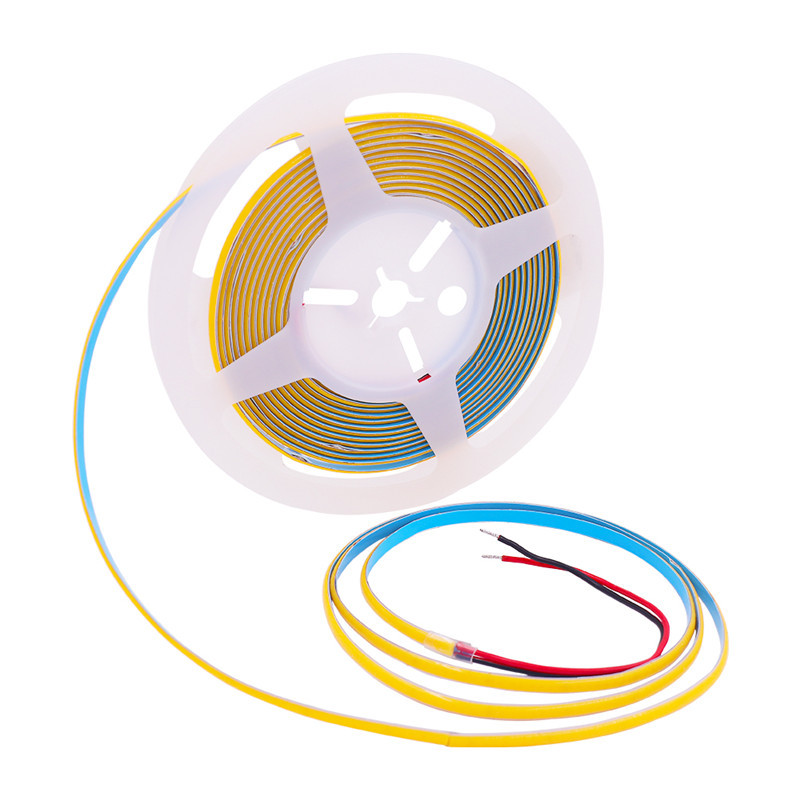
Why Do COB LED Strips Generate Heat?
Many people assume that because LED lights are energy-efficient, they do not produce heat. In reality, all LEDs generate some amount of heat during operation.
COB LED strips use Chip on Board technology, where multiple LED chips are directly mounted onto a circuit board. This design allows more LED chips to be placed in a smaller area, creating a smoother and more continuous light output.
During operation, electrical energy is converted into light and heat. Although LEDs waste much less energy as heat compared with traditional incandescent bulbs, a portion of the power still needs to be released through proper thermal management.
The amount of heat generated depends on several factors:
· LED strip wattage per meter
· LED chip efficiency
· Operating voltage
· Installation environment
· Quality of PCB material
· Heat dissipation design
A high-quality COB LED strip usually manages heat much better than low-cost alternatives because of better circuit design and material selection.
How Hot Do COB LED Strips Usually Get?
The temperature of a COB LED strip depends on its power output and installation method.
For example:
· Low-power COB LED strips (4W–8W/m): Usually produce mild warmth
· Medium-power COB LED strips (10W–15W/m): Can become noticeably warm after long operation
· High-power COB LED strips (18W/m or higher): Require better heat management
During normal use, the surface temperature may feel warm when touched, especially after several hours of continuous operation. This does not necessarily indicate a problem.
The key concern is not whether the LED strip becomes warm, but whether the heat can be effectively transferred away from the LED chips and circuit board.
Why Heat Dissipation Matters for COB LED Strips
Proper heat dissipation is essential for maintaining LED performance.
Excessive heat can cause:
· Reduced brightness over time
· Shorter LED lifespan
· Color shifting
· Damage to electronic components
· Adhesive failure during installation
LED chips perform best when operating within a stable temperature range. Good thermal management helps maintain consistent brightness and color quality throughout the product's lifetime.
This is why professional LED manufacturers pay close attention to PCB thickness, copper circuit design, LED spacing, and overall product structure.
The Best Ways to Improve COB LED Strip Heat Dissipation
1. Install on an Aluminum Profile
Using an aluminum LED channel is one of the most effective ways to control heat.
An aluminum profile works as a heat sink by absorbing heat from the LED strip and spreading it into the surrounding environment.
Benefits include:
· Better heat transfer
· Longer LED lifespan
· More professional appearance
· Improved protection for the strip
For high-brightness COB LED strips, aluminum profiles are strongly recommended, especially for installations that run many hours every day.
2. Choose the Right Power Supply
The power supply plays an important role in LED strip performance.
Using an unsuitable power supply can create unstable voltage, unnecessary heat, and reduced product reliability.
When selecting a power supply:
· Match the voltage requirement of the LED strip
· Choose sufficient wattage capacity
· Avoid operating the power supply near its maximum load
· Select reliable components from trusted suppliers
A quality COB LED strip paired with a suitable power supply provides better safety and long-term stability.
3. Avoid Installing COB LED Strips in Closed Spaces Without Ventilation
Although LED strips are flexible, installation location matters.
Avoid placing high-power COB LED strips in areas where heat cannot escape, such as:
· Completely sealed wooden channels
· Narrow enclosed spaces
· Areas directly covered by insulation materials
If installation inside cabinets, ceilings, or furniture is required, leaving enough ventilation space can significantly improve heat management.
4. Select the Correct LED Strip Power Level
Many installation problems happen because users choose a strip with more brightness than they actually need.
For decorative lighting, a lower-power COB LED strip may provide enough illumination while generating less heat.
For functional lighting applications such as kitchen counters or commercial displays, higher-output versions may be necessary.
Choosing the correct brightness level helps balance:
· Lighting performance
· Energy consumption
· Heat generation
· Product lifespan
Are COB LED Strips Safe for Home Use?
Yes, COB LED strips are generally safe for home applications when installed correctly.
Compared with traditional lighting technologies, LED strips operate at lower voltage options such as 12V or 24V, making them suitable for many residential projects.
However, safety depends on product quality and installation practices.
Important safety considerations include:
Use Certified Products
Reliable LED manufacturers follow quality control standards for electrical safety, PCB performance, and component reliability.
Check Waterproof Requirements
For kitchens, bathrooms, or outdoor applications, select LED strips with appropriate protection ratings.
Prevent Overloading
Do not connect excessive lengths of LED strips beyond the recommended power capacity.
Ensure Proper Installation
Secure connections, suitable power supplies, and correct wiring are essential for safe operation.
Manufacturers specializing in professional LED lighting solutions, such as LEDWAY, focus on thermal design and product reliability to help customers achieve stable performance for both residential and commercial projects.
COB LED Strip vs Traditional LED Strip: Heat Comparison
Many people wonder whether COB LED strips run hotter than traditional SMD LED strips.
The answer depends on the design.
COB LED strips often have more LED chips concentrated in a smaller area, which means efficient heat management becomes more important. However, their advanced structure also allows better light distribution and improved visual quality.
Traditional SMD strips may have fewer chips spaced apart, but they can still generate significant heat when using high-power LEDs.
The most important factors are:
· LED efficiency
· PCB quality
· Wattage design
· Installation method
· Heat dissipation system
A well-designed COB LED strip with proper installation can provide excellent performance without overheating issues.
How Long Do COB LED Strips Last?
The lifespan of COB LED strips depends heavily on operating temperature and product quality.
Good thermal management helps prevent early LED degradation and maintains:
· Brightness consistency
· Color accuracy
· Electrical stability
While many LED strips are advertised with long lifespans, real-world performance depends on whether the product is properly engineered and installed.
Choosing a manufacturer with experience in LED technology can make a significant difference in reliability.
Final Thoughts
So, do COB LED strips get hot? Yes, but a reasonable amount of heat is completely normal. The real issue is not heat generation itself, but whether the heat can be effectively managed.
By selecting the right wattage, using a quality power supply, installing aluminum profiles when needed, and choosing reliable LED products, COB LED strips can provide years of safe and efficient lighting.
For professional COB LED strip solutions, customized lighting projects, or product inquiries, you can contact LEDWAY:
Email: sales2@ledwaylighting.com
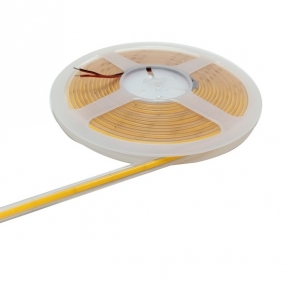
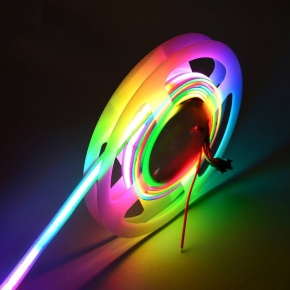
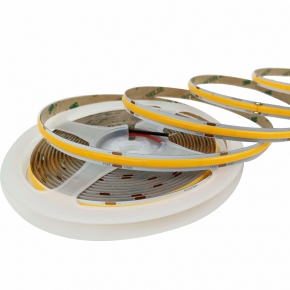
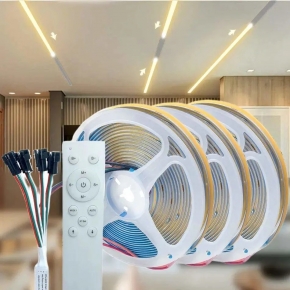

High Quality Assurance Professional choice factory supply.

Excellent public repution reassured purchasing

Professional design Personalized lighting product idea design

Fast sample making | fast proofingSamples can be made within 48 hours
About
SHENZHEN LEDWAY LIGHTING CO.,Ltd is a manufacturer which integrating R&D, manufacture and sales. Current factory area is 1800 ㎡, 5 high spend SMT machines, 2 reflow soldering machines, 5 production lines, 80 skilled workers as well as the professional R&D team, sales and service team...
In the past 10 years, LEDway focuses on led strip, such as DC&HV strip, COB&SMD strip, neon led strip, have rich-experience in led strip area. In recent year, with strong R&D ability, we also have developed led cabinet light, sensor night light, atmosphere light. Hot selling in Americas and European market. Most of our products have passed CE ROHS, ETL, GS, KC..
Contacts
-
- Address
- The 5rd floor, factory building, Jianghai industrial Park, Yonghe road No. 7, Shiyan street, Baoan district, Shenzhen, China.
-
- jelly@ledwaylighting.com
-
- We are open
- Mon-Fri: 08:00 - 18:00